
Residential Recycling
"Is there recycling near me?"
Check out the Waste Wizard database below to search for recyclable items and locations where you can recycle.
For more recycling options, utilize the Michigan EGLE Recycling Directory.
Truth or Myth?
Debunking Some Common Recycling Myths So You Can Recycle Right!
Truth
My recycling should be clean and dry before setting it out.
Fact
My recycling should be clean and dry before placing in my curbside cart, or taking to a local drop-off center.
Myth
If an item has the recycling arrows on it, recycle it.
Fact
Not necessarily. Many products list what type of materials they are made of, but they can only be recycled if your local recycling provider accepts them.
Truth
If you don’t know what to do with an item, thow it away.
Fact
If you are unsure if an item is recyclable or not, it is best to see if you can determine for sure either way. Sometimes it is difficult to be certain, and it is best to throw that item in the trash.
Myth
You can bag recyclables when placing them in the recycle bin.
Fact
You should not bag your recyclables! These flexible plastics are considered “tanglers,” being easily caught in machinery, causing down-time at the processing facilities, and are safety concerns for the workers.
When you aren’t sure about an item’s recyclability and separate it anyway hoping it will be, this is called “wish-cycling.” This is a common occurrence from well-intentioned participants, but causes more harm than good. Material Recycling Facilities (MRFs) process enormous volumes of material every year. Including non-recyclable items causes contamination, employee safety concerns, and higher operating costs. Stick to your provider’s list of accepted materials and do your part to support Michigan’s circular economy.
"Does my community offer curbside recycling or yard waste services?"
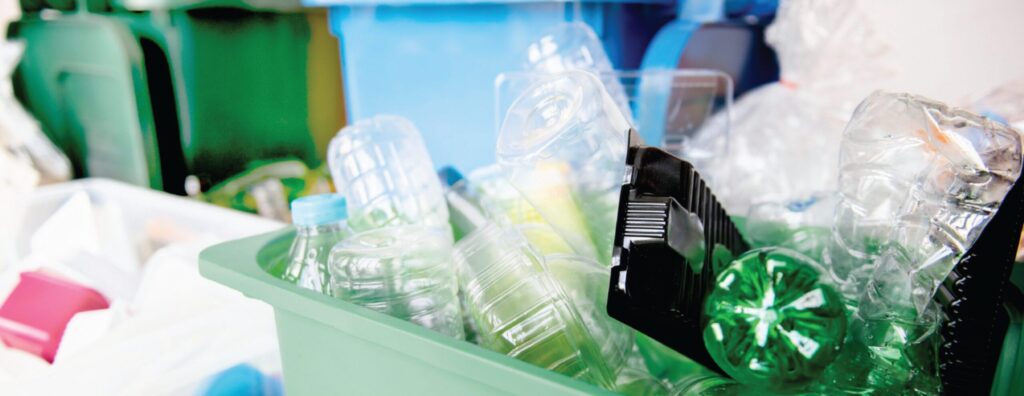
Curbside Recycling is available at...
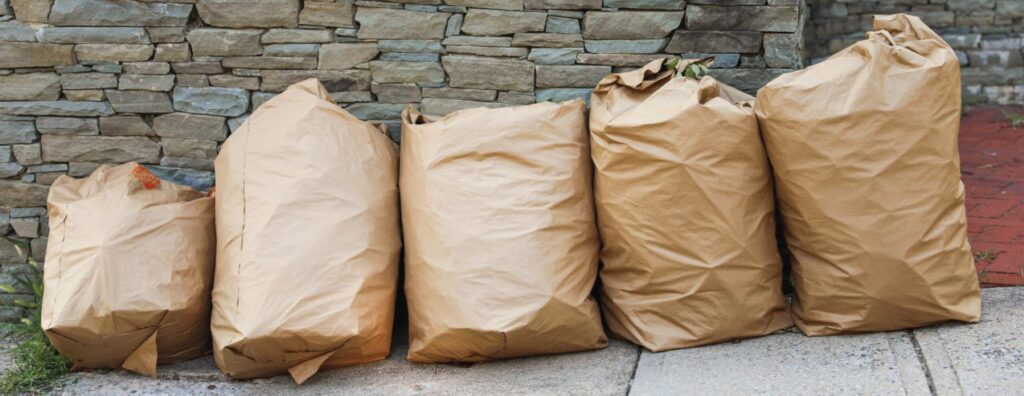
Curbside Yard Waste is available at...
Food Waste in Your Community
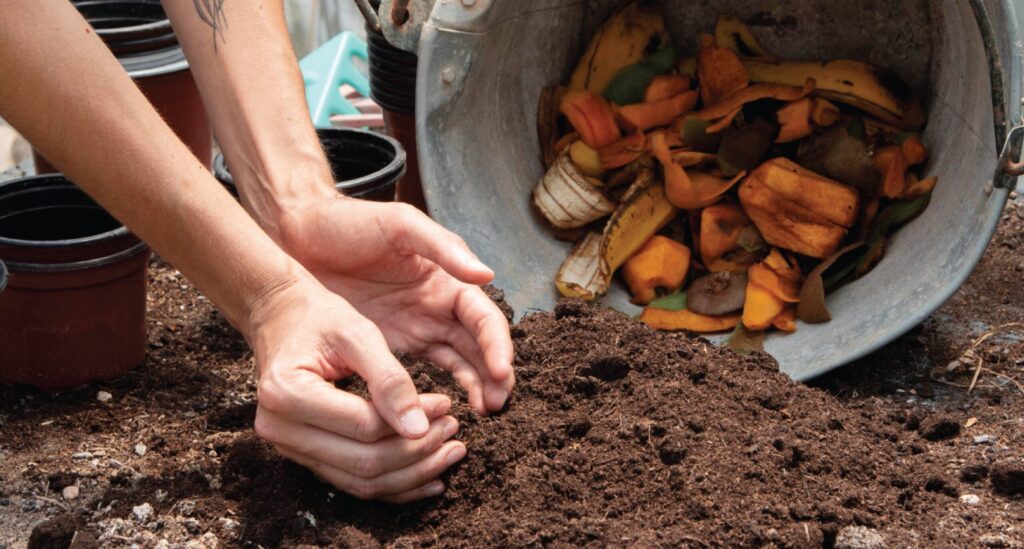
Did you know that food waste makes up almost 1/4 of all landfilled waste in Michigan? New options are under development in our region, and may make food scrap composting available to you!

Electronic Waste & Battery Disposal
With the ever increasing demand for new technology, electronic devices have become standard fixtures in our homes. They contain valuable metals like gold, copper, steel, and aluminum, and harmful materials (if not handled properly), like lead, mercury, and freon.
Collect Items Like...
- Vape pens & E-cigarettes
- Cell phones & tablets
- Desktop & laptop computers
- TVs & computer monitors
- Gaming consoles, printers, cameras, VCR/ DVD/ CD players, landline phones
- Accessories: computer keyboards & mice, headphones, speakers, charger cables
- Appliances: stoves, refrigerators, window A/C units, dehumidifiers, smoke detectors
- And more!
Recycle Your E-Waste
Find a local drop-off center…
When finding a local drop-off center, fees may apply.
Larger appliances can be picked up or dropped off through Consumers Energy. You may even be eligible for a cash rebate!
Battery Recycling
All batteries can be recycled.
Placing batteries in your trash or recycling can cause fires during collection and processing, and contaminate recycling centers. And, some batteries are illegal to put in the landfill.
Never place batteries, or devices containing batteries, in curbside trash or recycling bins.
Recycling is the best way to dispose of batteries. Common types include single-use (standard AA, AAA, 9V, button/watch, etc), rechargeable, and lithium-ion (found in cell phones, wireless headphones, laptops, and vape pens).
Lead acid batteries must be disposed of properly – it’s the law! These are common in cars, boats, golf carts, electric wheel chairs, scooters, and more. All retailers who sells these batteries are required to take back old ones. Simply return these batteries to the location you purchased them!
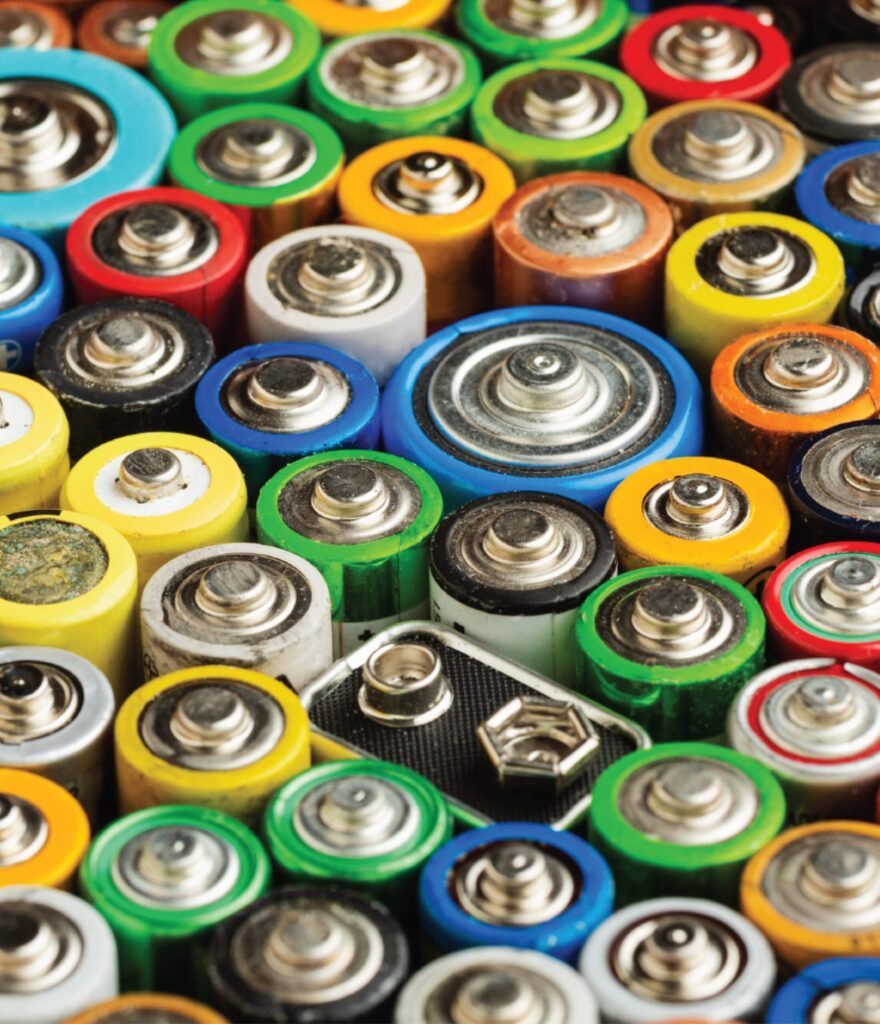
Recycle your batteries at box stores like Best Buy, Lowes, Home Depot, Staples, and more! You can also recycle them at county HHW events (see below!)
Household Hazardous Waste
Collection is available to Shiawassee County residents through the Shiawassee County Health Department. Check out their website to learn what items are accepted, when and where collections will take place.
For information on specific materials and how to handle them, EGLE has more information available on their website.